
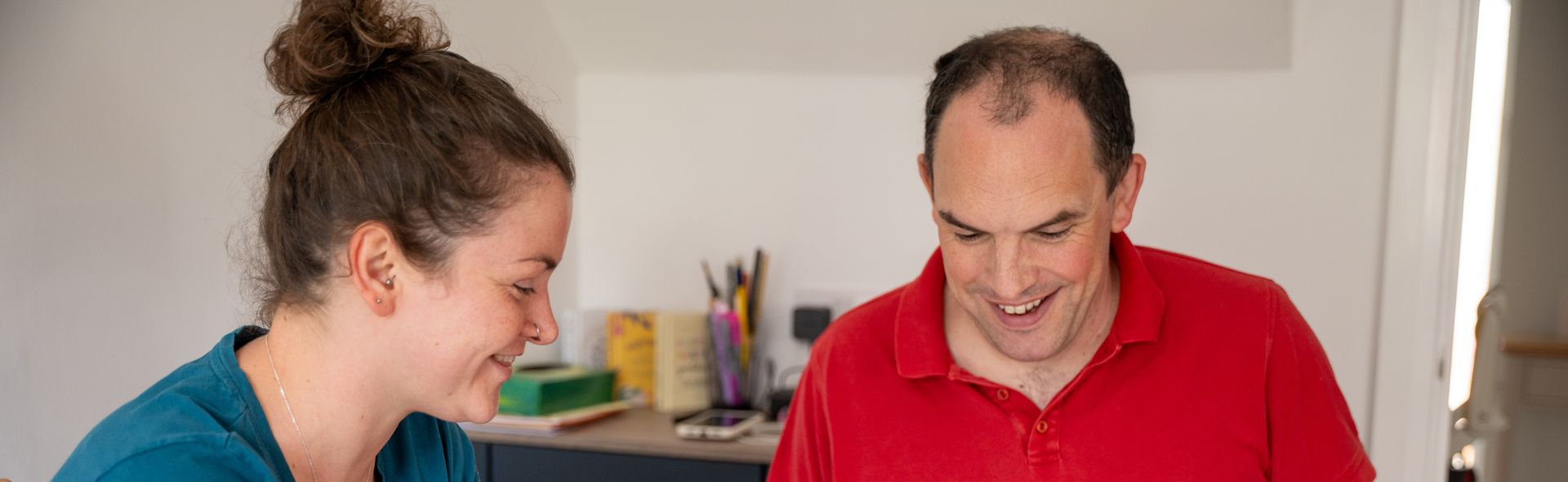
For very seriously injured (VSI) veterans and their families, adapting to the next chapter of their lives can be daunting. The significant challenges presented by their catastrophic injuries can seem impossible to overcome.
Knowing the support of Help for Heroes’ Occupational Therapists (OT) is there every step of the way provides some comfort and relief.
OTs like Sarah Chegwin are invaluable to aiding their recovery.
Sarah is one of just two OTs working with this group of veterans across the whole of the UK. The role is about much more than healthcare – it’s about rediscovering purpose, identity, and quality of life.
Having previously worked in the NHS, Sarah is able to appreciate the invaluable difference the charity makes in comparison to statutory services.
"People in the NHS work so hard, but we know that the system is overstretched making the level of input required by our VSI veterans difficult to access," she said.
What the NHS does really well is keep people alive, but to help these very seriously injured veterans thrive they need something else; and it's not there in the statutory sector, because they're not funded or resourced for that.
Sarah Chegwin
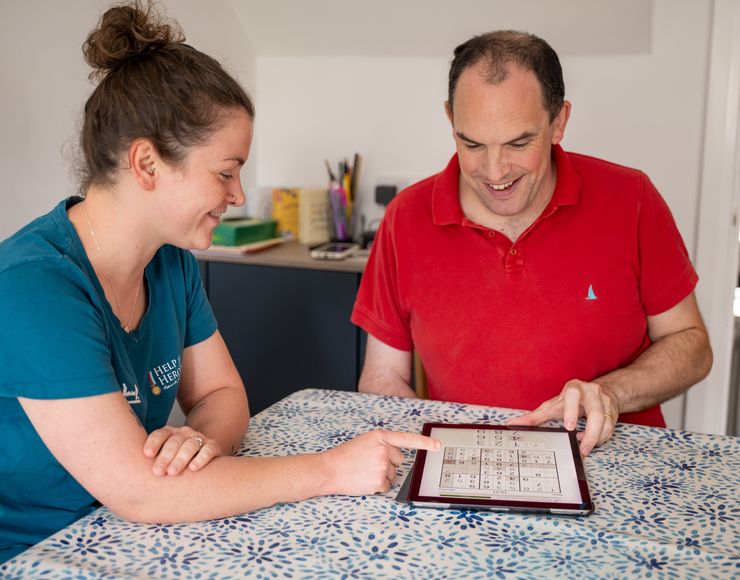
The very seriously injured veterans live with life-changing conditions such as brain injuries, strokes, paralysis and amputations. These veterans were injured or became ill during their military service, and the consequences of their injuries or illnesses touch every aspect of their lives – from mobility and communication to mental health and relationships.
With such complex needs, Sarah's caseload is small but intense. Initial assessments are comprehensive and deeply personal, often taking several hours to complete.
“Because of the complexity of the veterans we see, we always do it face-to-face and invite their next of kin or carers,” Sarah said. “It’s a top-to-tail assessment – everything from how they manage washing and dressing, toileting, pain and sleep, to their hopes around relationships and dating. It’s all about getting to know what is important to them.”
That person-centred approach lies at the heart of occupational therapy.
“We’re always working with people on improving their independence, and engaging in meaningful activity,” Sarah said. “That can be anything from getting washed and dressed to doing a hobby or an activity they enjoy.
“Our interventions are always focused on improving function – and it’s completely person-centred. It’s whatever that person’s goals are. Working with the veteran to set their own goals and then achieve them is key to what we do.”
Many of the veterans she works with will never fully recover from their injuries or illnesses, but that doesn’t mean they can’t live rich, fulfilling lives.
“Most of the veterans, if not all, will never get back to their old selves,” Sarah said. “But what we’re trying to support – and what they’re doing – is coming to terms with it, finding ways to live life in a meaningful way, and still have a good quality of life.”
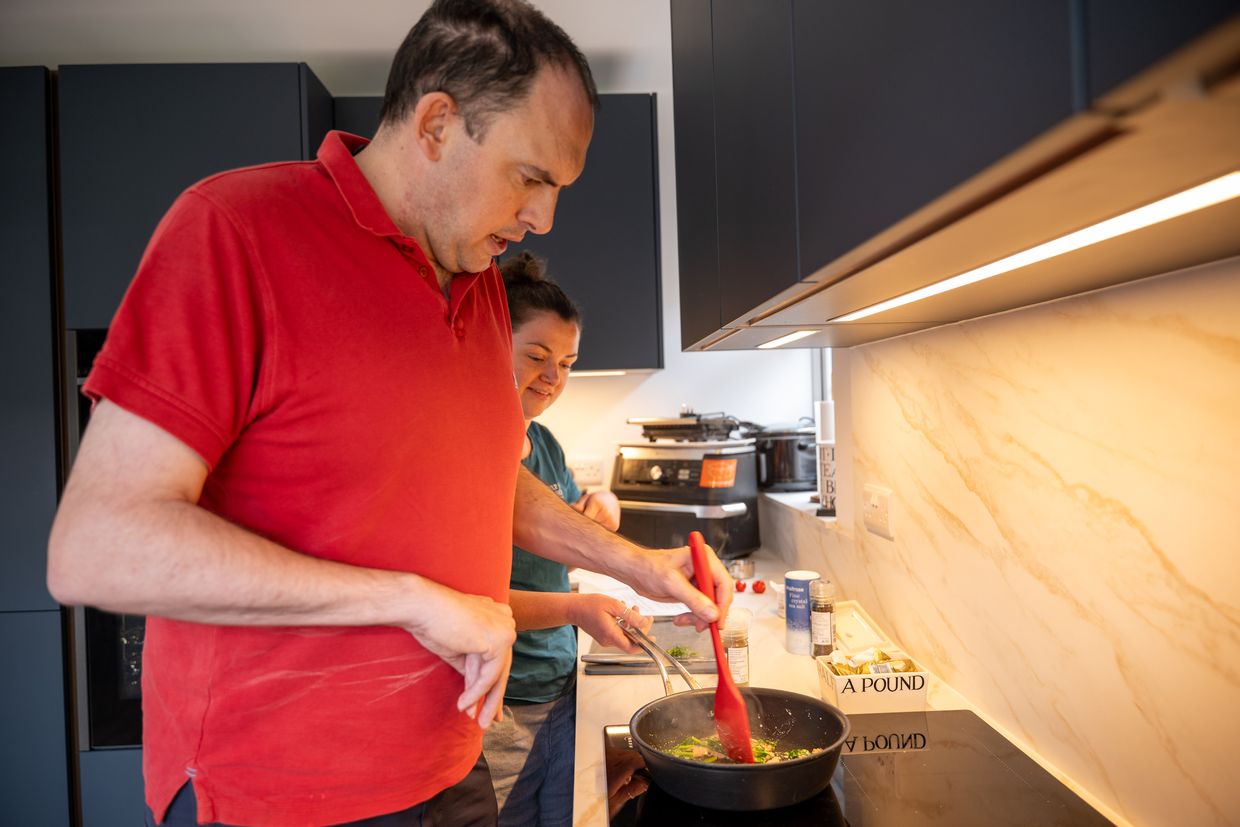
This can involve everything from helping them to shower or cook for themselves again, to finding new ways to engage with old hobbies. “If they loved playing football before, maybe we can help them attend games or support their local team,” she explained.
“We take the veterans on residential weekends so they can go abseiling, sailing or canoeing. It’s about saying: your life doesn’t end here. You’re in a different chapter now, and there are actually a lot of doors we can open with this new injury. We enable them to spend time with other veterans, which is hugely important to them.”
With only two OTs covering the country – Sarah in the south and her colleague, another Sarah, in the north – their caseload of veterans is constantly growing. But despite the pressures, both OTs remain inspired by the determination of those being supported.
“It’s amazing to see how these veterans who were told they were unlikely to improve, have gone far beyond all expectation,” she said. “They’re a very determined lot. And it’s a real privilege to support them in adapting daily tasks, exploring ways to make hobbies and sport accessible, and finding meaning in their lives again.”
The No One Left Behind Campaign is dedicated to providing high quality, intense and holistic support so the most ill and injured veterans, like Ryan and his family, receive the vital support they deserve. But we know that there are more veterans out there who need this same support. To find out how you can be part of our mission to ensure no veteran is left behind, click here.