
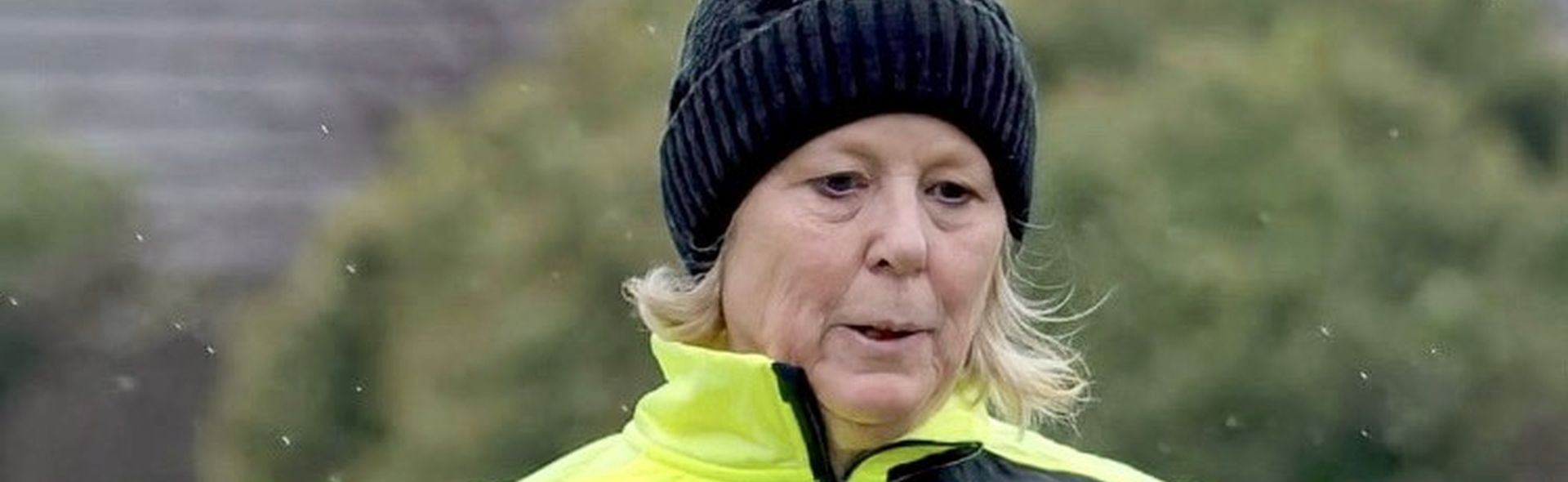
A determined military wife has completed a remarkable 300-mile running challenge in support of Help for Heroes, raising more than £2,000 while shining a light on the ongoing support her veteran husband continues to need following a devastating stroke.
Anne Duncan, 61, ran six miles everyday for 50 days, covering a total of 300 miles in aid of the charity's No One Left Behind campaign.
The challenge was inspired by her husband Pete, a Royal Navy veteran and stroke survivor, who is supported by Help for Heroes' Very Seriously Injured (VSI) team.
The figures were deeply personal: July marked 50 years since Pete joined the Royal Navy and travelled 300 miles from Chorley, Lancashire, to HMS Raleigh in Cornwall for training. Anne’s 300 miles over 50 days honoured that journey and the service that followed.
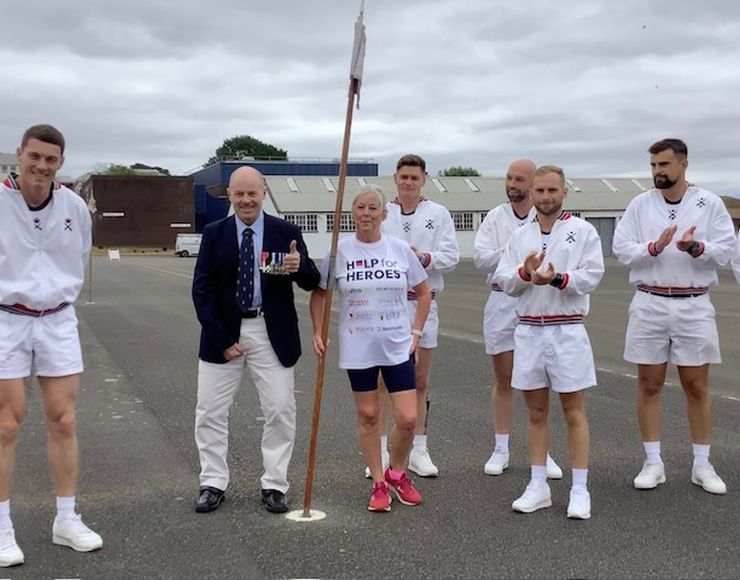
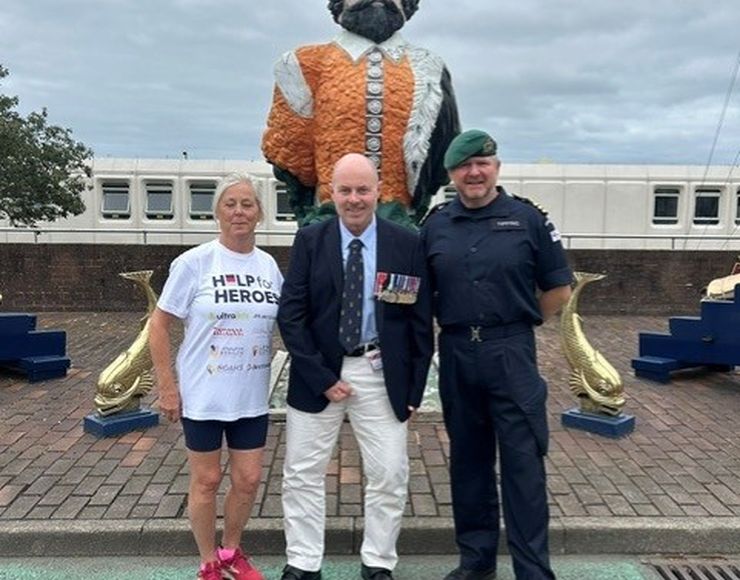
A highlight came when Anne and Pete were invited to HMS Raleigh as VIP guests as Pete marked 50 years since arriving there.
Anne completed a special run on the parade ground accompanied by eight physical training instructors, while Pete was welcomed back to the base where he had served as Head Warrant Officer.
"Pete was able to walk the last part of the run with me, that was nice and he really liked that,"
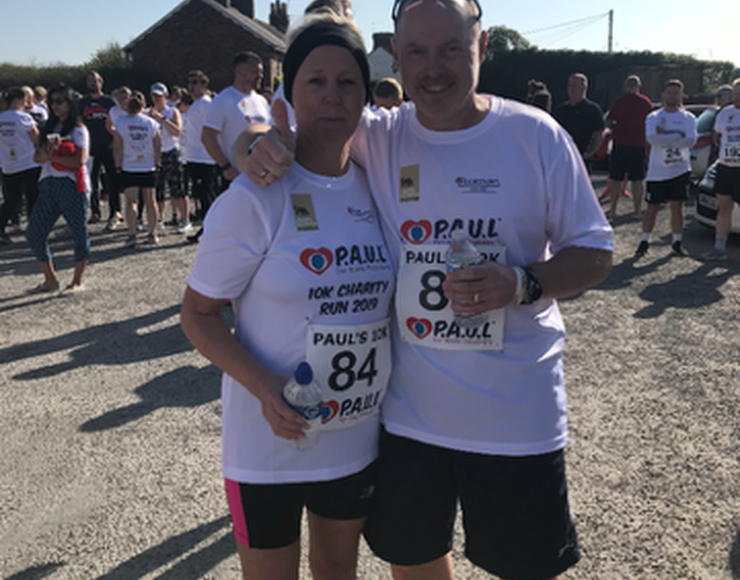
Help for Heroes provides vital support to Pete and Anne, including occupational therapy, funding for speech and language therapy and emotional wellbeing support. The charity has also provided funding for physiotherapy.
Much of the current day-to-day help comes through occupational therapy, which is all about finding practical ways to help people lead their best life when injury or illness makes everyday tasks harder. That can mean doing things differently, building confidence step by step or using specialist equipment so Pete can do more for himself.
Sarah, Pete’s occupational therapist at Help for Heroes, has seen that change first-hand. "When I first met Pete four years ago, Anne was doing everything for him – making meals and drinks, helping with personal care and barely leaving his side," she said.
Since then, Sarah says the focus has been on encouraging Pete to gain more independence - and helping Anne step back from a caring role that had become constant and isolating. "Pete could do more than he realised, but he had got used to Anne doing things for him out of kindness and love," she said. "Now he dresses himself, makes his own coffee, manages his self-care and does his exercises on his own.
"He used to have a raised foam cushion to help him get out of his armchair. But it was agreed with Pete it would be better for him to lose that and to get out of the chair himself using his strength and ability, which he can now do."
This support has helped Pete get back to experiences he loves. He has attended a fishing retreat and a ski day, with Sarah describing the moment he got onto the snow in a sit-ski as a huge milestone. "It was a massive achievement," she said. "He absolutely loved it - he had the biggest grin on his face as he went down the slope."
Pete’s recovery has not been a straight or predictable path. For Anne and Pete, each day means adapting to new challenges and drawing on long-term practical, therapeutic and emotional support; the impact is felt by the whole family, and Help for Heroes supports them all as they adjust together.
Reflecting on her achievement, Anne said:
"I am chuffed to have completed the challenge. I thought at one point I had bitten off more than I could chew, but when I came up with the idea and what the figures meant, I knew I had to do it."
Throughout the challenge, Anne drew strength from Pete's determination to overcome the daily challenges he faces following his stroke.
"Apart from my hips and knees hurting I was able to switch off while I was running. When I struggled physically with the running, I thought of Pete and how he struggles daily but pushes on through."
Anne also incorporated ParkRuns into the challenge, sometimes pushing Pete in his wheelchair and at other times running alongside his physiotherapist.
"When Pete and I do ParkRun he gets out of his chair for the last bit and walks with his stick and everyone claps him. He loves that."
The challenge culminated in an emotional final run, with Pete and the couple's three children waiting to greet Anne at the finish in the village they live in.
"It was very emotional."
Anne's efforts were backed by friends, family and local businesses, whose generosity helped drive fundraising beyond its target.
Local businesses sponsored spaces on her running shirt, with many giving far more than requested.
"I asked them if they would sponsor the front of my shirt for £10 or the back of my shirt for £15, and every business who sponsored me did so for £50. They have been very generous, and I am very grateful."
Despite the physical demands of running 300 miles in just 50 days, Anne insists her efforts pale in comparison to the support Help for Heroes continues to provide.
"This charity fundraising has been nothing compared to what the charity has done for Pete and I."
Pete’s recovery journey continues, and Help for Heroes’ Very Seriously Injured team remains vital in helping veterans and families navigate the long-term impact of life-changing injury and illness.
Anne believes the fundraising challenge was as much about recognising that support as it was about raising money.
"I just want to say a massive thank you to everyone who has donated and supported me. Seeing all those donations come in inspired me to get out and run, particularly if I was having a bad day and lacking that little bit of motivation."
After raising £1,500 from a charity paragliding challenge last year and more than £2,000 through her running, Anne is now considering an assault course challenge alongside a Help for Heroes team.
For Anne, however, the reason for fundraising remains unchanged: ensuring veterans like Pete and their families continue to receive the specialist support they need for years to come.